Calibrations
As explained in the ISO 9001 standard, calibration is the process of ensuring that measuring devices and other items used in our quality management system meet the requirements laid out in the standards.
This includes ensuring that they are accurate, reliable and consistent. The calibrated equipment process is considered a crucial procedure in quality management.

The calibration process checks the speed of your welding machine’s voltage, amperage, and wire feed. It helps to determine the gas flow rate of its welding current source.
Generally, MIG/MAG, manual metal arc welding and WIG systems are calibrated. When you need to ascertain if your welding equipment or system conforms to its specified operating parameters, verification is the suitable option.
Testing and repairing equipment is not done during a Calibration service.
A separate service must be booked. One important reason for this is simply because of the tools required to perform each service are very different.
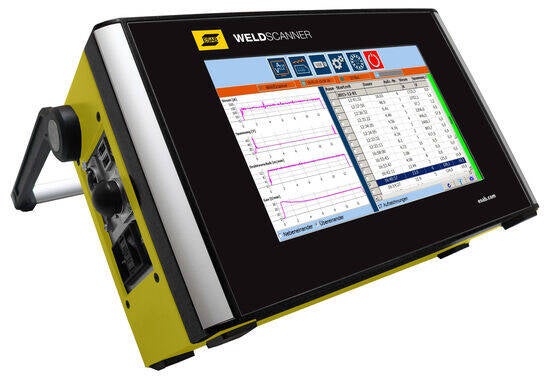
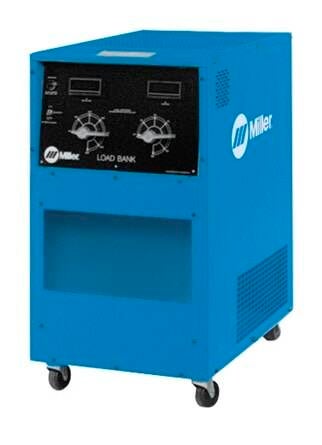
Calibration process involves using a standard to ensure that the equipment being calibrated or verified is accurate compared to the standard.
Calibrating equipment helps ensure accuracy and efficiency in the overall operation.

OVERVIEW OF CALIBRATION
REGULATIONS AND PROCEDURES
In Canada, ISO 9001:2015 regulations for welding equipment and operations focus on maintaining a Quality Management System (QMS) that ensures consistency, safety, and compliance with national welding codes. While ISO 9001 is the international standard for general quality management, the Canadian welding industry heavily relies on the Canadian Welding Bureau (CWB) to enforce specific standards like CSA W47.1 (structural steel) or CSA W47.2 (aluminum), often in conjunction with ISO 9001.
Key Aspects of ISO 9001 Canada
-
Calibration and Maintenance: ISO 9001 requires that equipment affecting product quality be calibrated and verified at regular intervals. This ensures that welding parameters (voltage, amperage, wire feed speed) are accurate, preventing defects and ensuring safety.
-
Controlled Process Environment: ISO 9001 requires documented procedures, known in the welding industry as Procedure Qualification Records (PQRs) and Welding Procedure Specifications (WPS), to control the manufacturing process.
-
Documentation and Traceability: A key requirement is maintaining records of all welding activities, from material procurement to final inspection.
-
Qualified Personnel: The standards require that welding supervisors and engineers demonstrate minimum education, knowledge, and experience, with mandatory examinations (e.g., CSA standards).
Relevant Standards and Regulations
-
ISO 9001:2015: General QMS standard for manufacturing and service, ensuring consistent output.
-
ISO 3834: A specific standard for quality management in fusion welding, often integrated with ISO 9001 to provide deeper technical compliance.
-
CSA W47.1/W47.2: Canadian standards for the certification of companies involved in fusion welding.
-
CSA W178.1/W178.2: Standards for welding inspection organizations and personnel.
-
TSSA (Technical Standards and Safety Act): Regulates pressure-retaining components and vessels, crucial for industries like oil and gas.
Compliance and Certification Bodies
-
CWB Group: The primary organization for certifying welding companies and personnel to CSA standards. They provide auditing for ISO 9001:2015.
-
Standards Council of Canada (SCC): Accreditations are provided through the SCC.
Benefits of ISO 9001 in Canadian Welding
-
Increased Customer Confidence: Demonstrates that the company meets international and local standards.
-
Improved Efficiency: Reduces waste and rework through structured, audited processes.
-
Risk Management: Helps identify and mitigate potential hazards in the welding process.
Create Your Own Website With Webador